WhatsApp

Doing Holdings
Henan Doing Environmental Protection Technology Co., Ltd
E waste recycling machine manufacturer
- WhatsApp: +86 150 3713 8562
- Email: market@doinggroup.com

Industry News

What is the best way to recycle end-of-life solar panels?
 November 26, 2026
- Industry News
- Leave a message
- Chat online
The best way to recycle end-of-life solar panels depends on their structure and the materials to be recovered. Panels that still pass performance and safety checks may be suitable for reuse, while damaged or non-reusable panels should be sent for specialized recycling. Reuse assessment may include IV performance testing, electroluminescence imaging, and insulation resistance testing to verify the electrical performance and safety of retired modules.
For industrial recycling of crystalline-silicon solar panels, mechanical recycling is widely used for single-glass modules, while double-glass modules can be processed using tunnel furnace pyrolysis followed by material separation. The goal is to recover valuable materials such as aluminum, glass, silicon-containing powder, copper, and plastics through a process suited to the panel structure.
This article focuses on crystalline-silicon solar panels. Thin-film modules, such as CdTe panels, require different recycling processes.
1. Should End-of-Life Solar Panels Be Reused or Recycled?
Before recycling, end-of-life solar panels should be checked for their remaining performance and safety. Working modules that meet the requirements for continued use may be tested, refurbished, and resold for second-life applications. Panels that are broken, severely degraded, or unsuitable for reuse should enter a professional solar panel recycling process.
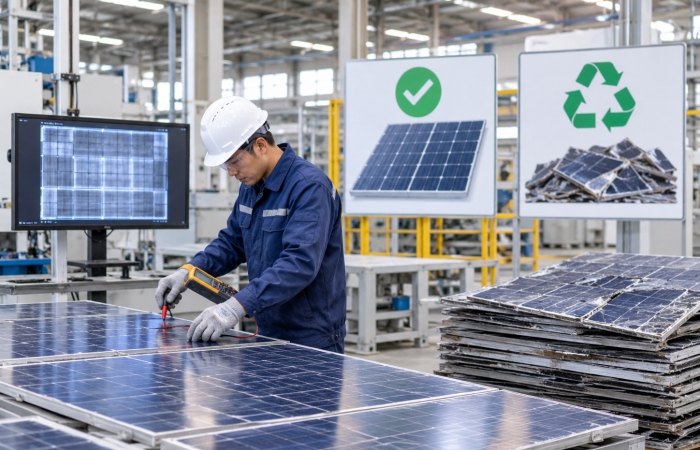
The IEA PVPS 2026 report on second-life photovoltaic modules provides further guidance on assessing modules for reuse. For recycling businesses handling large volumes of retired panels, the next step is choosing a process that matches the module structure and target recovery materials.
2. Which Solar Panel Recycling Process Is Best for Different Panel Types?
Single-glass and double-glass solar panels require different glass separation methods. Choosing the right solar panel recycling process is essential for efficient material recovery.
Single-Glass Solar Panels: Mechanical Recycling
Mechanical recycling is a practical option for single-glass solar panels. The process starts with aluminum frame and junction box removal, followed by glass removal. The remaining panel materials are then cut, shredded, crushed, and milled before screening and physical separation.
A typical solar panel recycling line includes a frame removal machine, glass removal machine, shredder, crusher, mill, vibrating screen, air separator, and electrostatic separator. In DOING ECO's configuration, controlled heating softens the EVA encapsulant to support glass removal, while downstream crushing and multi-stage separation recover different material fractions.
The IEA PVPS 2026 recycling update identifies mechanical recycling as the dominant commercial approach for crystalline-silicon modules.
Double-Glass Solar Panels: Tunnel Furnace Pyrolysis
Double-glass solar panels have glass layers bonded to the cell structure through encapsulating materials. Mechanical removal alone can be difficult, so a tunnel furnace pyrolysis process can be used to decompose the encapsulant and release the bonded glass and cell layers.
After thermal separation, the materials enter crushing, milling, screening, and physical separation stages. The process can recover glass, silicon-containing powder, copper, aluminum, and plastics. Exhaust-gas collection and treatment, energy consumption, and operating conditions are important factors when configuring the thermal system.
| Comparison | Single-Glass Panels | Double-Glass Panels |
|---|---|---|
| Main process | Mechanical recycling | Tunnel furnace pyrolysis |
| Glass separation | Mechanical glass removal | Thermal delamination |
| Downstream treatment | Crushing and sorting | Crushing and sorting |
| Key consideration | Glass removal and material separation | Encapsulant decomposition and exhaust treatment |
The appropriate recycling route depends on the panel structure, not simply the processing capacity. A facility handling both types should evaluate the required equipment configuration for each feedstock.
3. What Materials Can Be Recovered from End-of-Life Solar Panels?
A crystalline-silicon solar panel recycling process can recover several valuable material fractions:
| Recovered Material | Main Source |
|---|---|
| Aluminum | Aluminum frame |
| Glass | Front and rear glass |
| Silicon | Solar cells |
| Copper | Cell ribbons, cables, and junction box |
| Plastics and Polymers | Backsheet and encapsulating materials |
Silver is also present in solar cells as part of the conductive silver paste. However, conventional mechanical separation does not directly produce pure silver. It may remain in the silicon-containing powder and requires additional refining when separate silver recovery is required.
4. How to Choose the Right Solar Panel Recycling Machine?
The right solar panel recycling plant should match the feedstock and production targets of the project. Four factors matter most:
Panel structure: The proportion of single-glass and double-glass modules determines the required glass separation process.
Processing capacity: Equipment throughput should match the actual volume of panels available for recycling, not just the planned production target.
Recovered materials: Requirements for glass, aluminum, silicon-containing powder, copper, and plastics affect the crushing and separation configuration.
Automation and operating costs: Semi-automatic and fully automatic lines differ in labor requirements, investment, and production workflow. Workshop layout, energy consumption, dust collection, and exhaust treatment should also be considered.
A suitable solar panel recycling system balances processing capacity, material recovery, equipment investment, and long-term operating costs.
5. DOING ECO Solar Panel Recycling Plant and Solutions
DOING ECO (Henan DOING) provides solar panel recycling machines for single-glass and double-glass solar panel modules, with different configurations for processing capacity and automation requirements.
| Solar Panel Recycling Plant | Processing Capacity | Main Configuration |
|---|---|---|
| Semi-Automatic Recycling Line | 700–900 kg/h | Frame removal, glass removal, crushing, and physical separation with manual assistance |
| Fully Automatic Recycling Line | 1,000–1,200 kg/h | Visual identification, PLC control, automatic feeding, dismantling, crushing, and sorting |
| Double-Glass Pyrolysis Line | 1,500–2,000 kg/h | Tunnel furnace pyrolysis, crushing, screening, and physical separation |
The semi-automatic solar panel recycling plant features a flexible layout with separate frame and glass removal units. It suits projects that require a practical equipment configuration with manual assistance. The fully automatic line integrates visual identification and PLC control to reduce manual handling and support larger-scale processing.
For double-glass panels, the tunnel furnace pyrolysis line uses thermal separation before downstream crushing and sorting, providing a dedicated solution for double-glass module recycling.
Project Reference: 700–900 kg/h Solar Panel Recycling Plant for Germany
With a manufacturing base covering over 40,000 m², a technical R&D team of more than 50 professionals, and an in-house process laboratory, DOING ECO provides equipment manufacturing and feedstock testing support for industrial solar panel recycling projects.
In October 2026, DOING ECO received an order from a German customer for a semi-automatic solar panel recycling plant rated at 700–900 kg/h. The customer visited and compared multiple suppliers, focusing on factory capabilities, equipment testing performance, and price before selecting DOING ECO.
This project highlights the importance of manufacturing capability and equipment testing in industrial recycling equipment selection. More details are available in the German solar panel recycling machine order case.
For a suitable solar panel recycling solution, the equipment configuration should be based on the panel type, available feedstock, required processing capacity, and target recovered materials. Contact DOING ECO with these project details to discuss a suitable recycling line.
FAQ
Can Individual Solar Panel Recycling Machines Be Purchased Separately?
Yes. Individual machines, such as aluminum frame removal machines, glass removal machines, and crushing and separation units, can be purchased separately. This option is suitable for facilities that already have part of the recycling process in place.
Do Solar Panels from Different Production Years Have the Same Recycling Value?
No. Solar cell technologies and material compositions change over time. Differences in metal content, including the silver and copper content of cell grid lines and connections, can affect the composition and value of recovered materials.
- Email:
- Tel/WhatsApp:
-
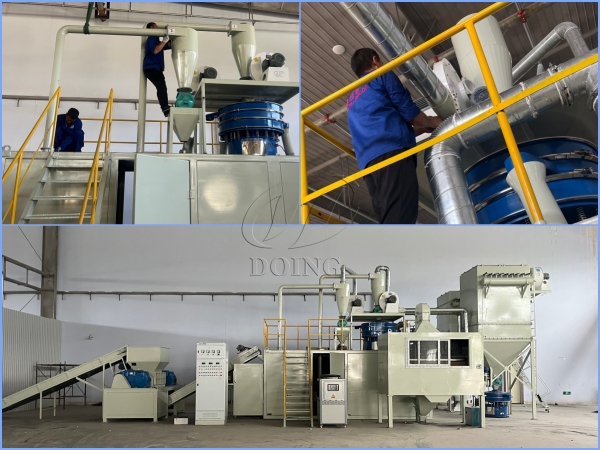
1000kg/h Solar Panel Recycling Plant Exported to Indian PV Manufacturer
-
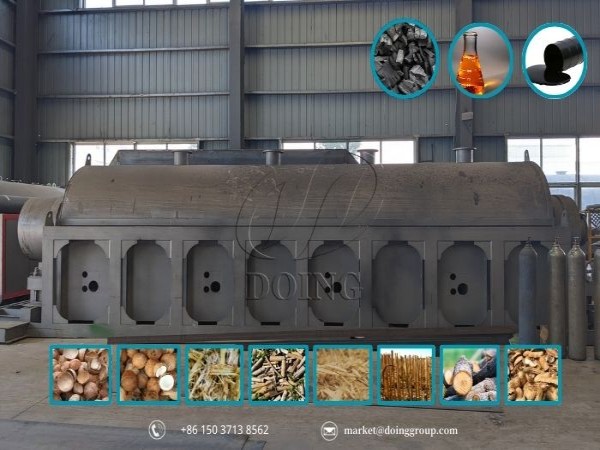
The 5-6t/h continuous carbonization machine project installed and operated in Vietnam!
-
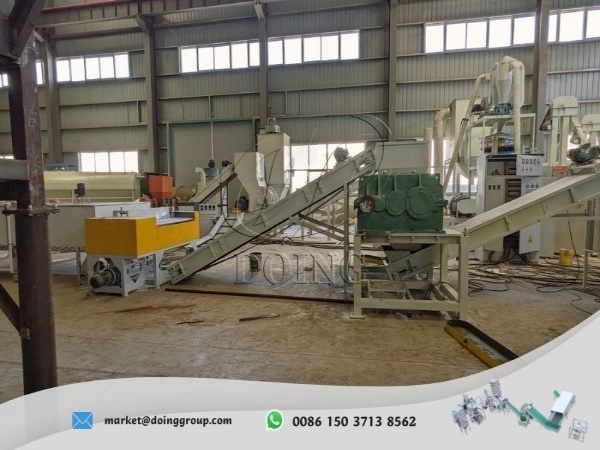
UK 500kg/h solar panel crushing and separation machine project was successfully put into production
-
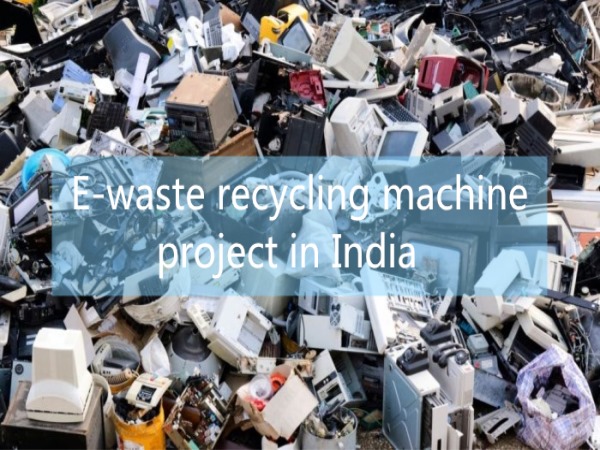
Doing ECO's successful e waste recycling plant project in India
Contact Us
If you want to get more details, you can send E-mail to market@doinggroup.com. Or you can consult our professional engineers and specialized sales team by leaving a message in below form. We will contact you ASAP.